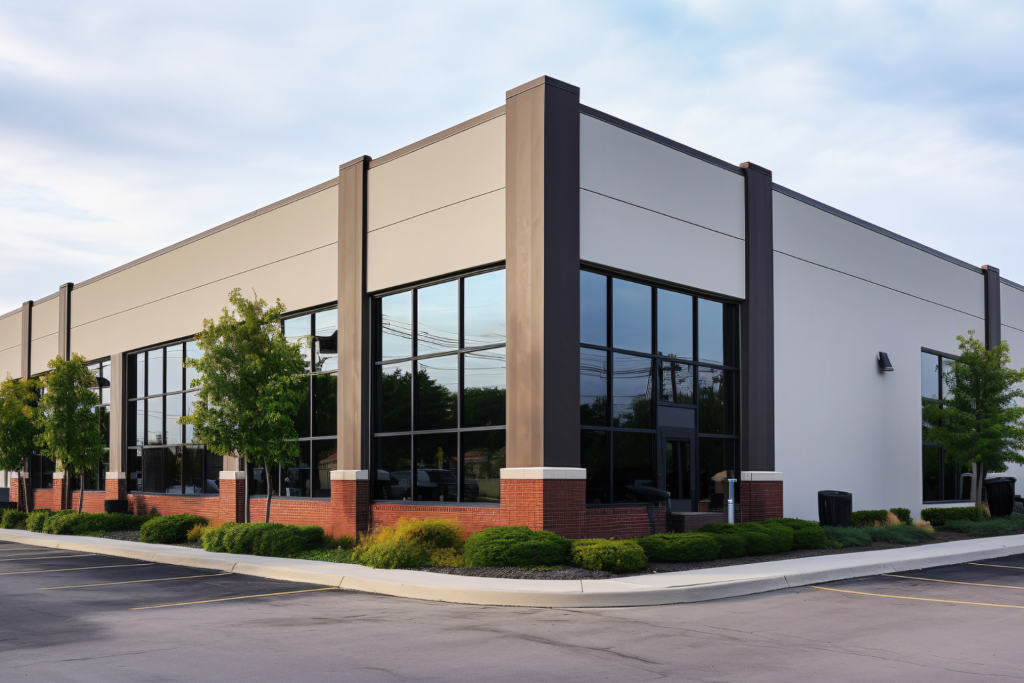
Commercial Real Estate Financing: Building Long-Term Value for Your Business
07 / 31 / 2026
Expert insights from Angie Trocke, VP Commercial Banker at Highland Bank
For many business owners, real estate is more than a place to operate—it can be a strategic investment in the future. Whether purchasing a building, expanding into a new space, refinancing an existing property, or exploring income-producing investment opportunities, Commercial Real Estate Financing can help businesses create stability, support growth, and build long-term value.
At Highland Bank, commercial real estate financing begins with understanding each client’s goals and helping them navigate opportunities with clarity and confidence. With more than twenty years in the banking industry, Angie Trocke helps business owners evaluate how real estate ownership can support both their current needs and long-term vision.
“Commercial real estate ownership can provide added value to a business owner’s overall objectives and long-term success.”
Financing That Supports Growth and Opportunity
Commercial real estate financing can support a wide range of business needs, from purchasing a property for your own operations to financing investment real estate that generates rental income. While each scenario is unique, the overarching goal is often the same: creating opportunities for growth while building long-term value through property ownership.
Angie works with businesses across many industries and believes commercial real estate ownership can be a valuable option for a variety of organizations. For some business owners, owning their space provides greater control and flexibility. For others, real estate becomes an additional income-producing asset that can continue generating revenue long after they step away from day-to-day operations.
Some of the most rewarding commercial real estate projects arise when a business is ready to take the next step. Angie recalls helping a growing company that had outgrown its leased location and needed additional space to support expansion. Through commercial real estate financing, the business was able to purchase and renovate a larger property, creating room for future growth while building equity in a valuable long-term asset.
She has also helped businesses purchase buildings that they previously leased, giving owners greater control over their future and helping them avoid the uncertainty that can sometimes come with changing landlords, redevelopment plans, or relocation pressures. In these situations, access to the right financing and guidance can make all the difference.
Preparing for Financing and Planning Beyond the Purchase Price
Successful commercial real estate financing often begins well before a purchase agreement is signed. Angie encourages business owners to start by having conversations with their banker, accountant, and financial advisor to better understand equity requirements, cash flow expectations, and the financial commitment associated with property ownership.
Businesses that are best positioned for financing typically demonstrate healthy liquidity, adequate cash reserves, and a clear plan for the property. Depending on the project, documentation such as tenant leases, operating statements, and property expense details can help create a smoother approval process and provide a clearer picture of the opportunity.
It’s also important to plan beyond the purchase price itself. Property taxes, insurance, utilities, maintenance expenses, and future capital improvements all play a role in long-term ownership costs. Factoring these expenses into projections early can help business owners make informed decisions and avoid unexpected surprises down the road.
What Business Owners Should Know Before Getting Started
Commercial real estate financing often differs from what business owners expect based on their experience with residential lending. Commercial loans are typically structured differently, with shorter amortization periods and financing terms that are tailored to the property, the borrower’s goals, and the long-term strategy for the investment. Understanding these differences early can help business owners make more informed decisions throughout the process.
Borrowers frequently have questions about required equity, repayment terms, and financing flexibility. Angie emphasizes that these conversations are most productive when they happen early. Understanding a client’s plans for the property helps ensure the financing structure aligns with their goals and supports both short-term needs and long-term success.
A Relationship-Driven Perspective on Commercial Real Estate
Strong commercial real estate financing starts with open communication, clear expectations, and a trusted banking relationship. Angie believes clients should understand every step of the process—from appraisals and title work to financing proposals and documentation requirements. Frequent communication helps keep projects moving forward and allows business owners to make decisions with confidence.
Many of Angie’s conversations begin long before a client is ready to purchase a property. Those early discussions help business owners better understand what lenders look for, identify opportunities for improvement, and prepare financially before the right property becomes available. By providing education and guidance from the start, she helps clients approach commercial real estate ownership with greater clarity and confidence.
Take the First Step Toward Your Next Business Opportunity
Whether you’re considering purchasing your first commercial property, expanding into a larger space, refinancing an existing building, or exploring investment real estate opportunities, you don’t have to navigate the process alone. At Highland Bank, commercial banking is grounded in relationships, local decision-making, and thoughtful conversations that begin with understanding your goals—not just your numbers.
By working with Angie Trocke and the Highland Bank commercial banking team, business owners gain a trusted partner who can help evaluate opportunities, prepare for financing, and determine how commercial real estate ownership can support what’s next. If you’re ready to start the conversation, connect with Angie today.
Acquisition Financing: The Strategy Behind Successful Business Acquisitions
Expert insights from Ben Hangge, SVP Commercial Banking Manager Buying or selling a business is one of the most significant financial decisions a business owner can make. Whether the goal…