Expert insight from Janelle Higgins, Vice President Commercial Banker at Highland Bank
Growth rarely happens by accident. For business owners, it’s often the result of making strategic investments at the right time—investing in equipment, managing cash flow intentionally, and having access to capital when opportunity arises. When used thoughtfully, working capital lines of credit and equipment financing can do more than solve short‑term challenges—they can help businesses move forward with confidence and take their business to new heights.
At Highland Bank, these financing tools are designed to support both stability and long‑term growth. VP, Commercial Banker, Janelle Higgins, shares real-world insights from her experience working with business owners across a wide range of industries. She has seen firsthand that having access to the right financing can be transformative.
“I’ve seen clients start at a couple million in sales and triple their revenue in just a few years by having access to working capital and equipment financing.”
Financing That Keeps Businesses Moving Forward
Working capital lines of credit and equipment loans play different roles, but together they create a strong financial foundation.
A working capital line of credit helps businesses manage short‑term operating needs. It’s commonly used to bridge timing gaps—when expenses come due before receivables are collected or inventory has turned into cash. Rather than slowing operations during busy or seasonal periods, a line of credit provides flexibility and peace of mind.
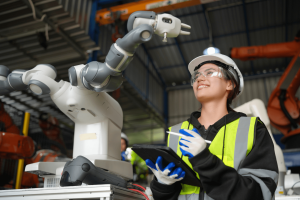
Equipment financing supports longer‑term investment. These loans are directly tied to equipment purchases and are typically structured around the useful life of the asset. Financing equipment allows businesses to improve efficiency, expand capacity, or add new capabilities without tying up cash that may be needed elsewhere.
Turning Opportunity Into Momentum
In Janelle’s experience, businesses most often explore working capital and equipment financing during key moments; periods of rapid growth, seasonal fluctuations, or when aging equipment begins to hinder productivity. In many cases, new equipment enables businesses to take on work they couldn’t manage before, while working capital ensures cash flow keeps pace with expansion.
Importantly, having access to capital doesn’t mean it has to be used constantly. For many businesses, simply knowing funds are available creates confidence and flexibility. These tools act as a bridge, helping businesses respond quickly to opportunity, navigate uncertainty, and stay focused on long‑term goals.
Preparing for Financing—and Positioning for Success
Successful financing outcomes often begin well before an application is submitted. Businesses that are best positioned for working capital or equipment financing typically show steady or growing revenue, consistent cash flow, and a proven ability to service new debt.
Preparation plays a critical role. Thoughtful financial projections help business owners—and their bankers—understand where the organization is headed. Working capital lines are intended for short‑term needs, so discipline around usage is important. Equipment investments, meanwhile, benefit from careful consideration of break‑even timing and long‑term cash flow impact.
Clear financial documentation and proactive conversations can make the process smoother and more strategic. Even businesses that aren’t quite ready yet can benefit from early guidance to understand what steps will help them prepare.
Clearing Up Common Misconceptions
One of the most common misconceptions around working capital financing is that using a line of credit reflects negatively on the business. In reality, banks view thoughtful line usage as a normal and healthy part of a company’s cash flow cycle—not a sign of trouble.
Business owners also frequently have questions about structure. Working capital lines typically carry floating interest rates and are reviewed annually, while equipment loans often feature fixed rates and terms that vary based on the asset. In many cases, a substantial portion of an equipment purchase can be financed, allowing businesses to preserve liquidity while still investing in growth.
A Relationship‑Driven Perspective on Business Banking
With more than 25 years of commercial banking experience, Janelle Higgins brings a relationship‑first mindset to serving a variety of businesses. Her approach is grounded in listening, transparency, and helping business owners think through both immediate needs and long‑term strategy.
For Janelle, the strongest outcomes come from trust and open dialogue, often before decisions are finalized.
“The best banker‑client relationships are built on trust and transparency—on both sides.”
By encouraging early conversations and honest collaboration, she helps clients preserve liquidity, avoid unnecessary strain, and use financing as a strategic tool rather than a last resort.
Take the First Step Toward What’s Next
Whether you’re navigating growth, managing cash flow, or considering an investment in new equipment, you don’t have to figure it out on your own. At Highland Bank, commercial banking is grounded in relationships, local decision‑making, and thoughtful conversations that start with understanding your business—not just your numbers. By working with Janelle Higgins and the Highland Bank commercial banking team, business owners gain a trusted partner to help explore options, ask the right questions, and determine what type of financing can support what’s next.
If you’re ready to explore working capital lines of credit or equipment financing, take your business to new heights with Janelle Higgins and the Highland Bank commercial banking team today.